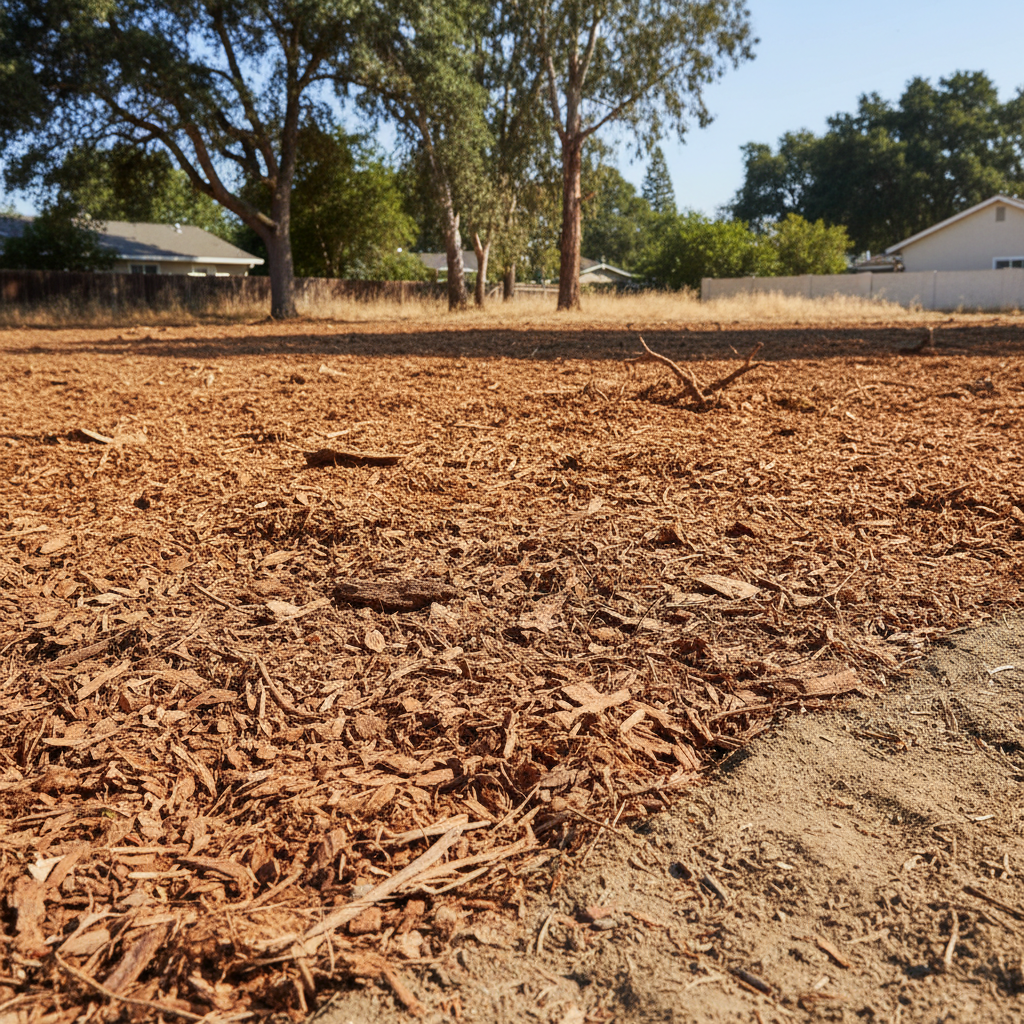
Got a patch of overgrown land you're itching to clear? Maybe you're planning a new garden, an ADU, or just want to reclaim some space. Land clearing sounds straightforward, but there's a lot more to it than just cutting down trees. As someone who's been doing this work around Fremont for years, I've seen it all – good projects, bad projects, and everything in between. Let's talk about what you really need to consider before, during, and after you start.
Before You Even Think About Clearing
First things first: permits. You can't just go clearing land willy-nilly in Fremont. The city has rules, especially when it comes to tree removal. If you're dealing with trees over a certain size (often 6 inches in diameter or more, depending on the species and location), you'll likely need a permit. This isn't just about protecting the environment; it's about managing stormwater runoff, preserving property values, and sometimes, avoiding disputes with neighbors. Don't skip this step. A quick call to the Fremont Planning Department can save you a huge headache and potential fines down the road.
Next, know what you're dealing with. Is it just brush and small saplings, or are there mature trees, stumps, and big rocks? Identify any utilities. You absolutely do not want to hit a gas line or an electrical conduit. Call 811 before you dig, always. They'll mark underground lines for free. It's not just for digging deep; even pulling out a stubborn stump can snag a buried cable.
Think about drainage too. Fremont's soil, especially in areas like Mission San Jose, can be pretty clay-heavy. Clearing a lot of vegetation can change how water flows on your property. You don't want to inadvertently create a new drainage problem that floods your neighbor's yard or your own basement.
What You Can DIY (and What You Probably Shouldn't)
Okay, so you've done your homework. Now, what can you realistically tackle yourself?
- Small Brush & Weeds: If it's just overgrown weeds, small shrubs, and saplings (less than 2-3 inches in diameter), you can probably handle this with a good weed whacker, loppers, and a chainsaw if you're comfortable and experienced with one. Make sure you've got proper safety gear: gloves, eye protection, sturdy boots, and hearing protection.
- Hauling Debris: If you're physically able, you can rent a chipper for smaller branches or load up a trailer to take debris to a green waste facility. This can save you some money.
- Minor Grading: For very small, shallow areas, you might be able to do some light hand-grading with shovels and rakes.
Now, when should you call a pro? Pretty much anything beyond the above. Here's why:
- Large Trees & Stumps: Removing big trees is dangerous work. They can fall unpredictably, cause serious injury, or damage your home. Stumps are incredibly stubborn; they often require heavy machinery to extract properly.
- Heavy Equipment: If you need a bobcat, excavator, or even a large chipper, you're better off hiring someone who operates these machines daily. They're expensive to rent, and operating them safely takes skill and experience. You don't want to learn on the job with a machine that can cause thousands in damage or worse.
- Steep Slopes or Complex Terrain: If your land isn't flat, or if there are retaining walls or structures nearby, leave it to the pros. Land clearing on slopes requires specialized techniques to prevent erosion.
- Time & Effort: Land clearing is back-breaking work. If you've got a significant area, it'll take you weeks, maybe months, of weekends. A professional crew can often clear a large area in a few days. Your time is worth something, too.
At Fremont Tree Solutions, we've got the equipment and the know-how to handle everything from brush clearing to full-scale land development prep. We've got the insurance and the permits sorted, and we know the local regulations inside out.
After the Clearing: What's Next?
So, the land is clear. What now? Don't just leave it bare. Exposed soil is an invitation for erosion, especially with our winter rains. Consider what you want to do with the space next. Are you planting a new lawn? Building something? Even if you're not doing anything immediately, you should stabilize the soil. This could mean:
- Temporary Cover Crops: Planting a quick-growing cover crop can hold the soil in place.
- Mulch: Spreading a thick layer of mulch can protect the soil, suppress weeds, and add nutrients.
- Erosion Control Blankets: For steeper areas, these biodegradable blankets can be very effective.
Also, plan for debris removal. If you're doing it yourself, make sure you have a plan for where all that organic matter is going. Don't just pile it up and hope it disappears. It can become a fire hazard or a haven for pests.
Land clearing is a big project, but with the right planning and knowing when to call in the experts, you can get it done safely and effectively. Don't hesitate to reach out if you've got questions about your specific Fremont property.