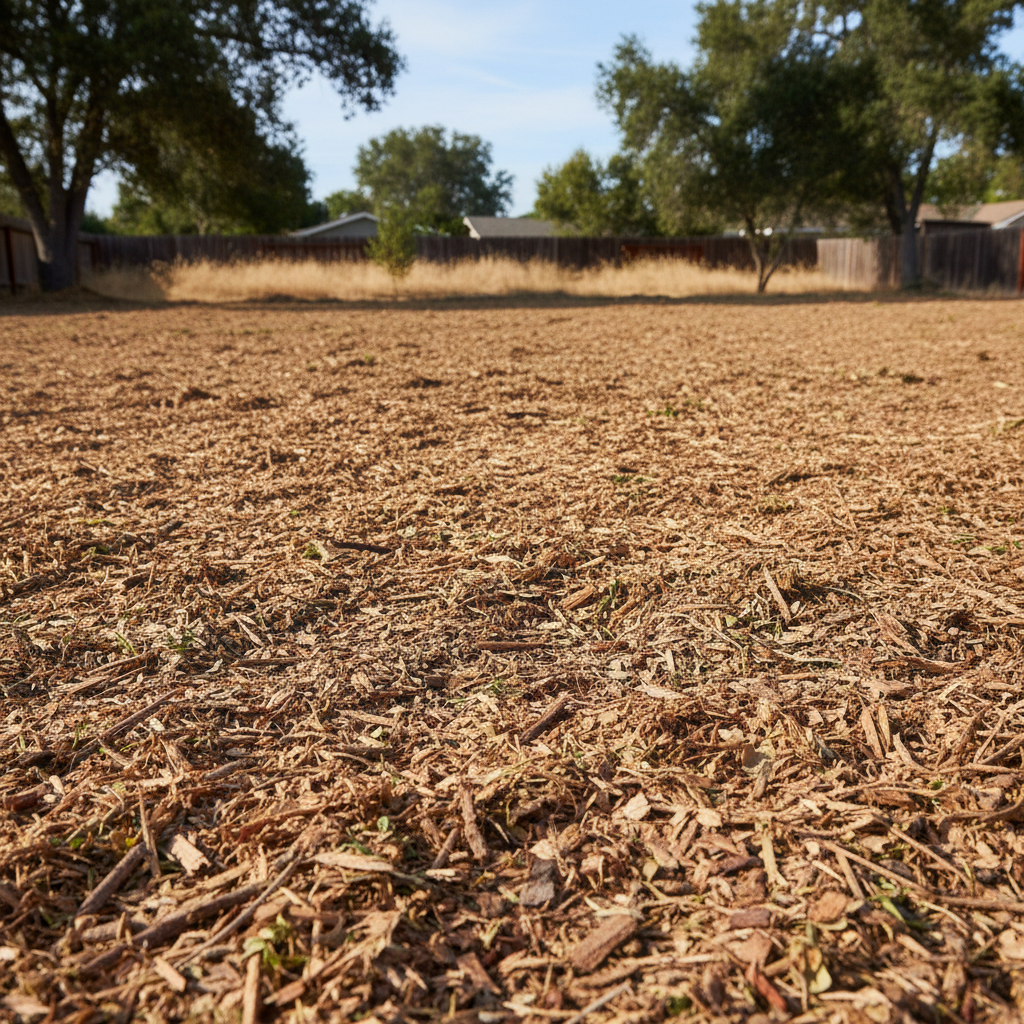
Thinking About Clearing Your Fremont Lot?
So, you've got this piece of land in Fremont, and it's looking a little wild, right? Maybe you're dreaming of a new garden, or perhaps you just want to get some space back. Lot clearing can seem like a huge job, and honestly, it often is. But it's not always about bringing in the bulldozers. There's plenty you can do yourself, and then there are those times you absolutely need to call in the pros. Let's dig into what you need to know.
Before You Even Pick Up a Tool
First things first, know your property lines. You'd be surprised how many folks start clearing only to find they've wandered onto a neighbor's yard or, even worse, city property. Get a survey if you're not 100% sure. Trust me, it'll save you a massive headache and potential legal trouble later on.
Next up: permits. This is a big deal here in Fremont. You can't just go clearing everything willy-nilly. If you're planning to remove a lot of trees, especially mature ones, or drastically change the landscape, you'll probably need a permit from the City of Fremont Planning Department. They're looking out for things like protected trees, erosion control, and keeping local wildlife habitats safe. Don't skip this step; the fines can be pretty steep, and they might even make you replant. We've seen it happen. Also, if you live in a planned community, say around Mission San Jose, check for any homeowner association (HOA) rules. They often have their own regulations about what you can and can't do to your yard.
And finally, figure out what you're actually clearing. Is it just some brush and small saplings? Or are there big, old oak trees, maybe some invasive species like Arundo donax (that giant reed) that are a real nightmare to get rid of? Knowing this helps you plan your approach and decide what tools you'll need.
What You Can DIY (and What You Probably Shouldn't)
Okay, so you've got your permits (or you've confirmed you don't need any for your project), and you know what you're facing. Now's the time to decide if you're getting your hands dirty or picking up the phone.
- Small Brush and Weeds: This is definitely stuff you can do yourself. Think hand pruners, loppers, and maybe a good weed whacker. For bigger patches, a brush cutter can really save your back. You can rent these from local equipment rental places. Just make sure you're wearing the right safety gear – gloves, eye protection, long sleeves, and sturdy boots are non-negotiable.
- Small Trees and Saplings (under 4-6 inches across): If you're comfortable with a chainsaw and know how to use it safely, you can probably handle these. But I really can't emphasize safety enough here. Chainsaws are dangerous tools. Always have someone watching, know your escape routes, and wear all the proper protective gear. If you're not experienced, it's smarter to leave it to someone who is.
- Stumps: For small stumps, you could try chemical removers, but they take forever. Digging them out by hand is back-breaking work. For anything larger than a few inches, you're looking at renting a stump grinder or hiring a pro. Those machines are powerful and can be tricky to run safely.
- Large Trees (over 6 inches across), Dense Thickets, or Steep Slopes: This is where you absolutely need to call in the professionals. Trying to remove a big tree yourself is incredibly risky. You're dealing with heavy falling objects, potential damage to your property, and serious injury. Plus, if you're working on a slope, especially with Fremont's clay soil, you've got to worry about erosion and stability. A professional service like Fremont Tree Solutions has the right equipment, the training, and the insurance to do it safely and efficiently. We've got chippers, specialized saws, and experienced crews that know how to bring down a big tree without damaging your house or your neighbor's fence.
- Hazardous Materials: If you even suspect there might be old construction debris, asbestos, or other dangerous stuff buried on your lot, do NOT touch it. Call in environmental specialists.
During the Clearing Process
Whether you're doing it yourself or hiring help, think about what you'll do with all the debris. You can rent a dumpster, haul it to a green waste facility, or if you've hired a tree service, they'll usually chip and haul away the organic material for you. Chipping is often the most affordable option for branches and brush. For larger logs, you might even find someone who wants firewood.
Keep safety as your number one priority. Even if you're just using hand tools, take breaks, stay hydrated, and be aware of your surroundings. Watch out for poison oak – it's pretty common around here, especially in those overgrown areas.
After the Lot is Cleared
Once the clearing is done, don't just walk away. You've exposed the soil, and that means it's vulnerable. If you've got a lot of bare ground, especially on a slope, you'll want to think about erosion control. Planting ground cover, laying down mulch, or even temporary erosion blankets can help prevent soil runoff, particularly with our winter rains. You certainly don't want your freshly cleared lot washing down into your neighbor's yard or the storm drains.
Now's the time to plan what's next for the space. Are you planting new trees? Putting in a lawn? Building something? Having a plan helps you keep the area tidy and stops it from getting overgrown again. Regular maintenance, even just a little bit, goes a long way in keeping your newly cleared lot looking good.
Lot clearing can really transform your property, but it needs careful planning and knowing your limits. Don't hesitate to call in the experts when the job gets too big or too dangerous. We're here to help if you need us.