Got trees in your yard, do you? Maybe they're those big, old oaks that have been there forever, or perhaps some younger fruit trees you put in yourself. Either way, you want them healthy, looking good, and not causing any headaches. But what does "healthy" even mean for a tree, really? And what's your part in making that happen right here in Fremont?
Believe me, I've seen it all in my years working with trees around here. From giants that no one's touched in decades to specimens that get pampered like royalty. It's not always obvious what a tree needs, and sometimes what you *think* is helping them can actually do more harm than good. So, let's talk about what you really need to know to keep your trees in tip-top shape, starting from the ground up.
Before You Do Anything: Get to Know Your Trees
Hold on a second before you grab that shovel or even think about pruning. First, you've got to understand what you're actually dealing with. Different trees have different needs, plain and simple. A native Coast Live Oak, for instance, will want way less summer water once it's settled in than a young Japanese Maple. Knowing the species helps you get a handle on its usual growth, how much water it needs, and what kinds of pests or diseases it might be susceptible to.
Take a good, long look at your trees. What's their overall shape? See any dead branches? Is the bark peeling in a weird way, or are there strange growths popping up? Are the leaves looking discolored or sparse? These are all important clues. Don't just assume a tree is fine because it's green; sometimes, by the time a tree looks truly sick, it's already in serious trouble.
Also, give some thought to where your tree is planted. Is it too close to your house foundation? Are there power lines running overhead? Is it casting too much shade on other plants you're trying to grow? These aren't just about looks; they're about safety and health too. A tree that's just too big for its spot is practically begging for problems to start.
During the Growing Season: What to Keep an Eye On
The growing season, which usually runs from spring through fall here in the Bay Area, is when your trees are most active. That's also when you can often catch problems early. Here's what you can realistically handle yourself:
- Watering: This is a big one, especially during our dry Fremont summers. Young trees need consistent, deep watering. Established trees, particularly natives, might need less, but even they can really benefit from a good, deep soak during those long droughts. Don't just sprinkle a little water on top; you need to get that water down into the root zone. A good rule of thumb? Water slowly and deeply, aiming for 12-18 inches of penetration.
- Mulching: This is an easy, effective DIY project. Lay down a 2-4 inch layer of organic mulch (like wood chips) around the tree's base, making sure to keep it a few inches away from the trunk. It works wonders. Mulch helps the soil hold onto moisture, keeps weeds down, and evens out soil temperature. Think of it as a cozy blanket for your tree's roots.
- Pest and Disease Spotting: You don't have to be an arborist to notice when something's off. Look for unusual spots on leaves, holes, webs, or tiny insects. If you see something, try to figure out what it is. There are tons of online resources or local extension offices that can help. Sometimes, just a strong blast of water can knock off aphids, or you can pick off bigger pests by hand.
- Minor Pruning: If you've got small, dead, or crossing branches that you can safely reach from the ground with hand pruners or a pole saw, go for it. Just make sure your tools are clean and sharp, and you're making the right cuts. Don't start hacking at large limbs, though; that's when you can really mess things up.
When you're doing these things, you're not just doing maintenance; you're actually getting to know your tree. You'll start to pick up on its rhythms and what's normal for it.
When to Call a Pro: Don't Guess with Big Trees
Okay, so what's really beyond what a typical homeowner should attempt? This is where Fremont Tree Solutions comes into the picture. You absolutely shouldn't be messing with:
- Large Branch Removal: Anything that needs a ladder, a chainsaw, or that's anywhere near power lines? That's a job for someone with the right gear, training, and insurance. A falling branch can cause serious injury or property damage, you know.
- Diagnosing Serious Issues: If your tree is going downhill fast, has big patches of dead bark, significant fungal growths, or you suspect a serious pest problem (like borers), you need an expert. We can often pinpoint the problem and suggest what to do next, whether that's treatment or, sadly, removal.
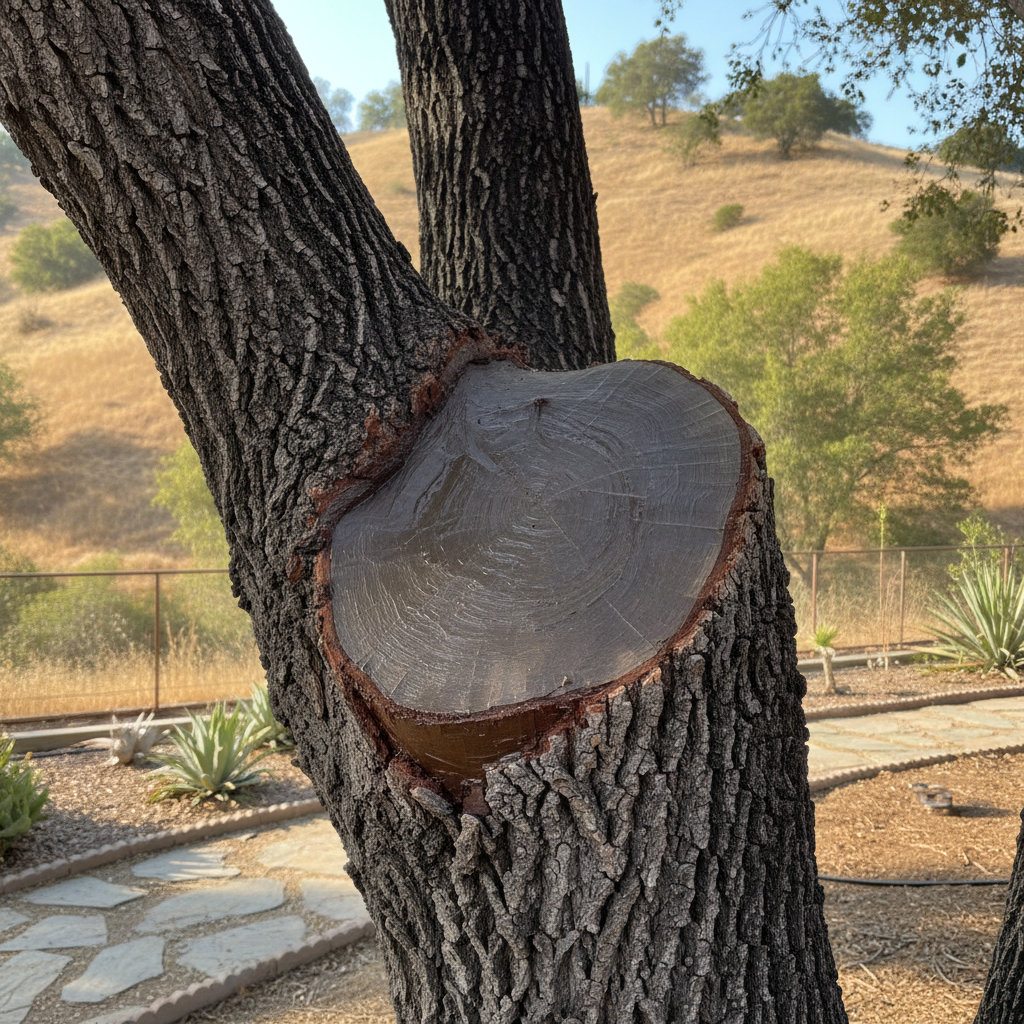
- Structural Pruning or Shaping: If you want to improve a young tree's overall structure, reduce a mature tree's size, or clear branches away from a building, that's specialized work. Cutting incorrectly can actually weaken a tree, make it more vulnerable to disease, or even cause it to grow back worse than before.
- Root Collar Excavation: Sometimes, soil builds up around a tree's base, or it was planted too deep to begin with. This can actually choke the tree and lead to decay. Properly exposing the root flare is a delicate job that needs a professional touch. I see this quite a bit in older Fremont neighborhoods where grading changes over the years have buried root flares.
- Emergency Situations: After a big storm, if a tree is leaning precariously, or a large limb has broken and is hanging dangerously, please don't try to fix it yourself. This kind of work is incredibly dangerous.
Think of it like this: you might change your car's oil, but you probably wouldn't rebuild the engine unless you're a mechanic. Trees are living, complex organisms, and sometimes they just need a specialist. Investing in professional tree care isn't just about making your yard look good; it's about protecting your property, keeping everyone safe, and making your valuable trees last longer.
A healthy tree is a happy tree, and that usually makes for a happier homeowner too. Keep an eye on your green giants, do what you can, and don't hesitate to give us a call when you need a hand.