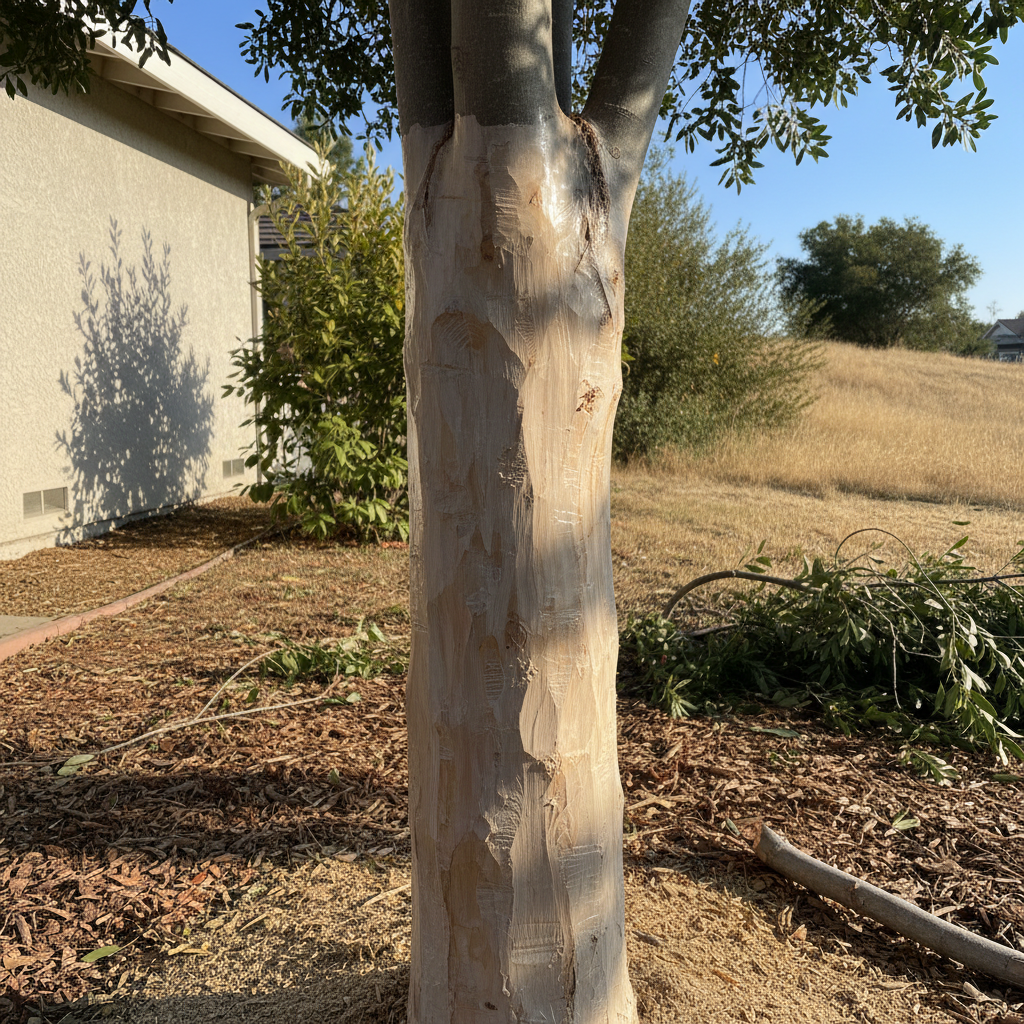
You've got trees on your property, and naturally, you want them to look good and stay healthy. That's smart thinking. A healthy tree isn't just pretty to look at; it adds real value to your home, gives you nice shade, and can actually prevent bigger, more expensive headaches down the road. But what does "tree health" actually mean for someone like you, a homeowner right here in Fremont? Honestly, it's not as complicated as some folks make it out to be, but it definitely needs a little bit of attention.
Before You Do Anything Else: Just Look at Your Trees
Before you even think about grabbing a shovel or a pruner, just observe your trees. Really take a good look. Walk all the way around them. What do you notice? Are the leaves the right color for the season, or are they turning yellow, browning, or falling off too soon? Is the bark nice and smooth, or is it rough, cracked, full of holes, or showing strange growths? Any dead branches up there? Is the tree leaning more than it used to? These simple observations are your very first defense against problems.
Don't forget to check the soil around the base, too. Is it packed down hard? Does water just sit there after a rain, or does it drain away quickly? Here in Fremont, especially in spots with a lot of clay soil, like parts of the Mission San Jose district, drainage can be a real pain. Trees really don't like having "wet feet" for too long.
What You Can Actually Do Yourself
There's a lot a homeowner can do to keep their trees happy without needing to call us out. Think of it as basic, proactive care.
- Watering: This one's huge, especially during our long, dry summers. Young trees need a steady supply of water to get their root systems strong. Older, mature trees, though, usually do best with deep, less frequent watering. Don't just sprinkle a little on top; let the water really soak down deep. A good rule of thumb? Water deeply once every week or two during dry spells, rather than just a little bit every single day.
- Mulching: A 2-4 inch layer of organic mulch (like wood chips) around the tree's base works wonders. Just make sure to keep it a few inches away from the trunk itself – that helps prevent rot. Mulch does a few things: it keeps the soil moist, helps regulate soil temperature, and stops weeds from popping up and stealing nutrients. It's a simple, super effective step.
- Basic Pruning: You can definitely handle small, dead, or diseased branches that are easy to reach from the ground, using hand pruners or a pole pruner. We're talking about branches no thicker than your thumb or your wrist. Always make clean cuts, and try not to leave stubs. If you see suckers growing from the tree's base or water sprouts shooting straight up from branches, go ahead and snip those off.
- Pest & Disease Monitoring: Just keep an eye out for anything that looks off. Sticky leaves, strange spots, holes in the bark, or unusual bug activity. Sometimes, a strong blast of water can knock off aphids, or you can just pick off bigger pests by hand. For minor fungal issues, often just getting more air circulation or cutting back on watering can help.
When You Really Need to Call a Pro (Like Fremont Tree Solutions)
Knowing your limits isn't just about staying safe; it's also about making sure the job gets done right and protecting that investment you've made in your trees. Here's when you absolutely, positively should pick up the phone:
- Large Branch Removal: If a branch is thicker than your wrist, especially if it's way up high or near power lines, please don't mess with it. That's a job for trained professionals with the right gear.
- Tree Structure Issues: Is your tree leaning quite a bit? Do you see big cracks in the trunk or major limbs? Any signs of decay, like soft spots or mushrooms popping out of the trunk? These are huge red flags that could mean a structural problem and a potential hazard.
- Pest or Disease Identification & Treatment: While you can certainly keep an eye out, figuring out exactly what pest or disease you're dealing with and knowing the right way to treat it often takes an expert. Some infestations can quickly wipe out a tree if they're not handled properly.
- Post-Storm Damage: After a big windstorm or heavy rain, if branches are broken and hanging dangerously, or if the tree itself looks wobbly, call us right away. That kind of work is just too dangerous for an amateur.
- Planting Large Trees: Getting a new, larger tree off to a good start is super important. We know all about the right planting depth, soil amendments, and initial pruning to make sure your tree thrives in our local conditions.
- Any Work Near Power Lines: This isn't just a suggestion; it's a safety rule. Never, ever try to do tree work yourself anywhere near power lines.
Ultimately, your trees are living things, and they need care. Do what you can safely and confidently, and please don't hesitate to reach out to us at Fremont Tree Solutions when the job gets too big, too high, or just too complicated. We're here to help keep your trees healthy and your property safe, plain and simple.