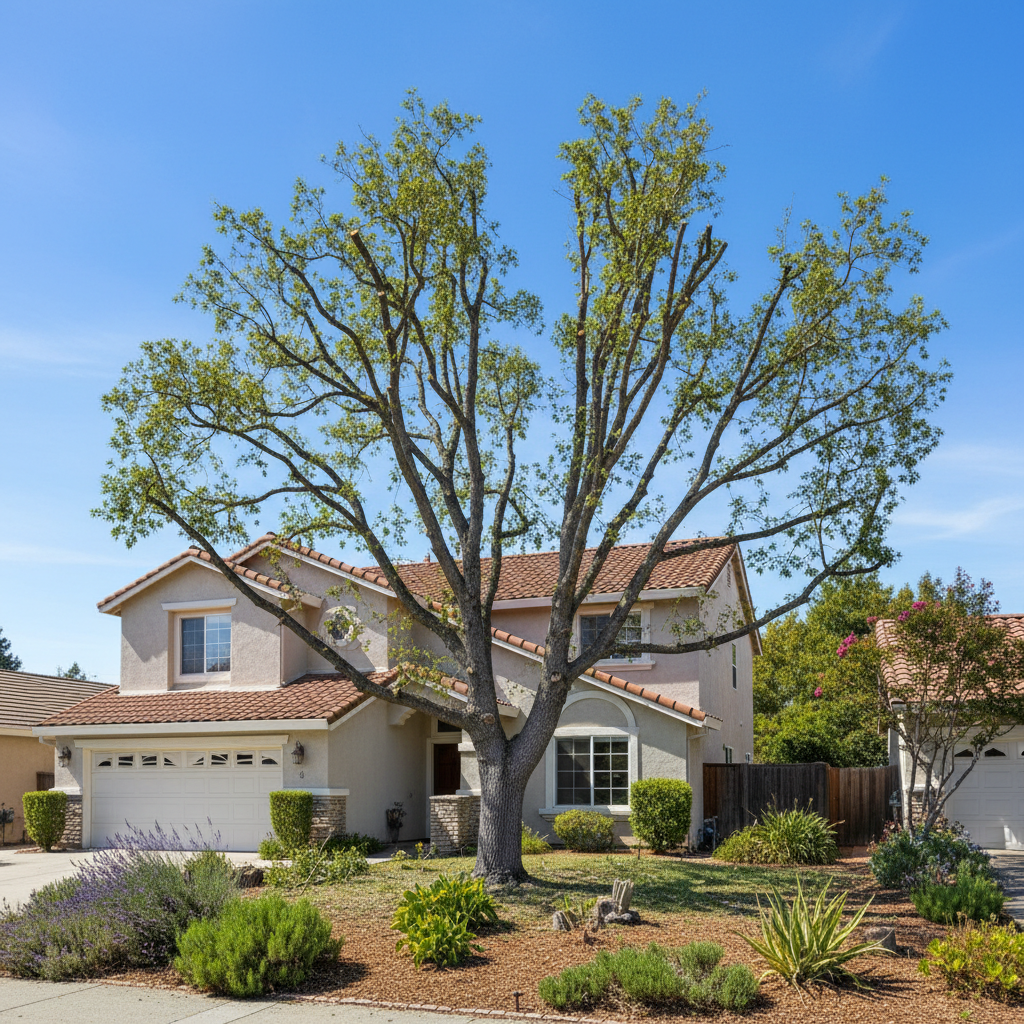
You’ve got a tree that needs some looking after. Maybe it’s gotten too big, or a branch just doesn’t seem quite right. So, naturally, you start thinking about getting it trimmed. Sounds pretty straightforward, doesn’t it? Well, I’ve seen plenty of folks right here in Fremont make some really common, and often pretty expensive, mistakes when they’re dealing with tree trimming. Let’s talk about what to keep an eye out for.
Mistake #1: Not Really Knowing What You Need Done
This is a big one, honestly. A lot of homeowners call us up and just say, “My tree needs trimming.” But what kind of trimming, exactly? Are you hoping for a structural prune to help the tree’s health and shape? Is it a crown reduction because it’s bumping your roof? Or are we just talking about a light trim for looks? Not knowing the difference can lead to misunderstandings, work that wasn't really necessary, or even worse, the wrong kind of cut.
Before you even think about picking up the phone, take a good, hard look at your tree. What’s bugging you about it? Is it touching the house? Does it feel too thick? Are there dead branches up there? Having a clear idea of what you want helps us give you an accurate quote and makes sure you get the results you’re after. Sometimes, what you think is a problem, like a tree being “too tall,” might actually be better fixed with a different method than just topping it – which is a huge no-no, by the way.
Mistake #2: Hiring the Cheapest Bid Without Asking Questions
Everybody wants to save a buck, I totally get that. But with tree work, the cheapest bid can often end up being the most expensive down the road. I’ve seen countless times where a homeowner picks the lowest price, only for the crew to do a crummy job, damage property, or even permanently hurt the tree. Then you’re calling someone like us at Fremont Tree Solutions to clean up the mess, and that costs more than just doing it right from the start.
When you’re getting quotes, don't just stare at the number. Ask about their insurance – general liability and workers’ comp are absolutely essential. Ask if they’re certified arborists. How long have they been in business, anyway? A professional, trustworthy company might not be the absolute cheapest, but they’ll have the proper gear, the right training, and they’ll stand by their work. If someone shows up in an unmarked truck with a rusty chainsaw and no paperwork, well, that’s a massive red flag, isn't it?
Mistake #3: Ignoring the Season and Tree Health
You wouldn’t get a haircut right before a big event if you didn't have to, would you? Trees are kind of similar. The best time to trim really depends on the type of tree and what you’re trying to achieve. Trimming at the wrong time can stress the tree out, make it more likely to get sick, or reduce its ability to grow leaves or fruit. For example, many deciduous trees are best pruned in late winter or early spring when they’re dormant. However, if you’ve got a broken branch that’s dangerous, that needs to come off right away, no matter the season.
Also, think about the tree’s overall health. A tree that’s already struggling from drought – something we see a lot of here in Fremont, especially in spots with clay soil that holds water unevenly – might not handle a heavy trim very well. A good arborist will check the tree’s health as part of their recommendation. If a company just wants to start cutting without even looking at the tree’s condition, you should definitely be suspicious.
Mistake #4: Not Checking for Permits or Local Ordinances
This one can really land you in hot water with the city. Fremont has specific rules about tree removal and sometimes even major trimming, especially for certain protected species or trees that are a certain size. You might need a permit, and if you don't get one, you could be looking at fines. It’s not just about the tree on your property, either; sometimes, trees on the public strip next to your property also fall under city regulations.
A professional tree service should know these local rules and can help guide you. If they tell you not to worry about permits for a big job, that’s another red flag. It’s your responsibility as the homeowner, but a good contractor will help you figure it all out.
Doing your homework upfront, asking the right questions, and understanding what your trees truly need will save you a lot of headaches and make sure your trees stay healthy and looking great for years to come.